






Trump’s $100,000 Visa Fee Spurs Confusion and Chaos
- President Trump’s announcement of a $100,000 fee for new H-1B visa applications has caused significant confusion.
- The fee is a one-time charge, applicable to new applicants only, and does not affect existing H-1B holders.
- Major tech companies express concern over potential impacts on talent acquisition and operational costs.
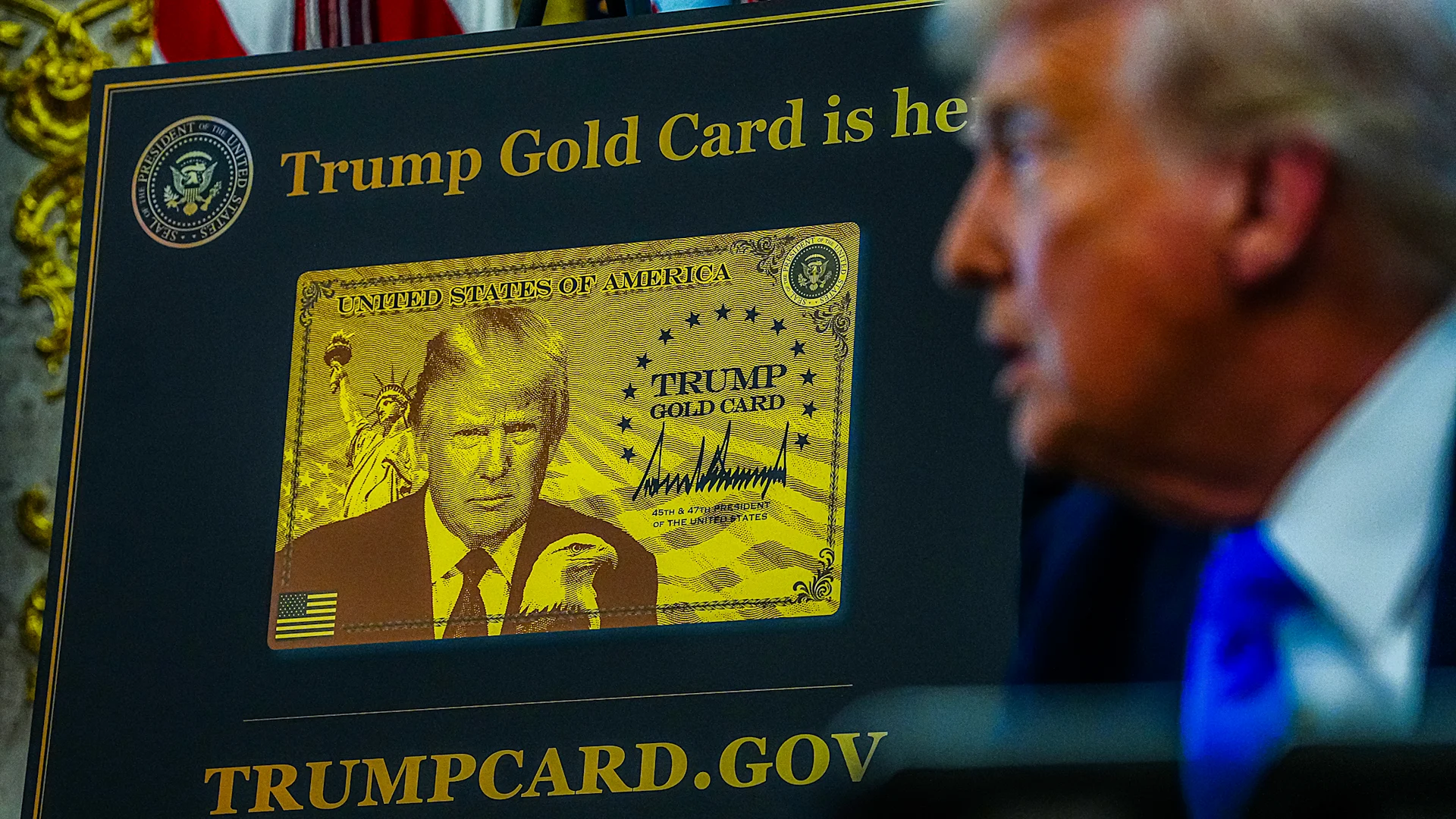
- The introduction of the $1 million “gold card” visa raises alarms about financial burdens on businesses.
- Critics fear that this policy may deter skilled foreign workers and stifle innovation in the U.S.
Understanding the $100,000 H-1B Visa Fee
A major point of confusion originated from the announcement itself. The $100,000 fee is a one-time charge for new H-1B visa petitions, which counters the initial reports suggesting it would be an annual cost. It’s crucial to note that this fee applies exclusively to new applicants and does not affect existing H-1B holders or their ability to re-enter the U.S. during the validity of their visas. The White House clarified that the new rule will take effect with the next H-1B lottery cycle, thus influencing future cycles but not those currently in progress.
The policy also introduces a $1 million “gold card” visa, aimed at wealthy investors seeking a fast-track route to U.S. citizenship. This fee marks an unprecedented jump from the typical costs (which generally range from $1,700 to $4,500 per application) that employers usually incur for H-1B visa processes, raising alarms about the financial burden on businesses.
Reaction from Major Stakeholders
The ripple effects of this announcement have not only impacted prospective immigrants but also drawn the attention of major technology companies, many of which have heavily relied on the H-1B program to recruit skilled talent globally. Prominent corporations such as Amazon, IBM, Microsoft, and Google have expressed deep concerns over the potential implications this fee may have on talent acquisition and operational costs moving forward. The fear is especially pronounced among startups, which may struggle to absorb such large upfront costs.
Simultaneously, the Indian government reacted swiftly, highlighting the potential humanitarian consequences of the fee. With a significant proportion of H-1B visa recipients being Indian nationals—many of whom are IT professionals—the fee threatens to create barriers for thousands who hope to work in the U.S..
Clarifications and Confusion
Initial media coverage added to the chaos surrounding the announcement. Many outlets mistakenly reported the fee as an annual requirement, causing panic among business leaders and prospective applicants. Once the White House clarified that the charge was a one-time payment, there was a collective sigh of relief, though the damage was, for many, already done
Moreover, the urgency prompted business owners and employees to scramble and reevaluate their immigration plans and travel arrangements ahead of the proposed implementation. The administration’s proactive clarification could not mitigate the growing concerns over how this fee might impact the U.S.’s attractiveness to skilled foreign talent.
The Broader Context of the H-1B Visa Program
The H-1B visa program has long been a crucial pathway for highly skilled labor in the U.S. tech sector, yet it has continually faced criticism and political scrutiny. With the introduction of this significant new fee, critics fear that the U.S. is increasingly closing its doors to global talent. Commentators contend that the measures are designed to discourage companies from hiring foreign workers, particularly those who may be perceived to compete with American workers for jobs.
The sentiment largely resonates in the context of ongoing political debates about employment-based immigration and its perceived consequences on the domestic workforce. This paradigm shift, marked by the sharp financial barrier now placed upon new H-1B applicants, could lead to a chilling effect, where the influx of skilled foreign labor decreases — a dire consequence for an economy that thrives on innovation and diversity.
Summary and Future Outlook
To summarize, the $100,000 visa fee imposed by the Trump administration has unleashed waves of confusion and alarm, particularly within sectors that depend heavily on skilled foreign labor. Although subsequent clarifications from the White House have helped to quell some of the initial panic, the broader implications of this policy remain to be fully realized.
This move could redefine how U.S. companies approach talent acquisition and disrupt the dynamics of the global labor market. With technology and other sectors already grappling with skill shortages, increased barriers to immigration for talented professionals may stifle innovation and economic growth domestically.
In Closing
The immediate confusion stemming from Trump’s $100,000 visa fee serves as a reflection of the complexities and challenges surrounding U.S. immigration policies. As stakeholders adjust their strategies in response to this new policy, the overarching need for clarity and stability in immigration practices in the U.S. becomes apparent. For businesses in Poland and elsewhere looking to navigate this dynamic landscape, understanding these developments will be essential. They have the opportunity to position themselves effectively in a world where skilled labor is increasingly at a premium.
For continual updates on immigration policy changes and their impacts on workforce dynamics, stay tuned to our blog as we strive to keep you informed and prepared for the road ahead.