


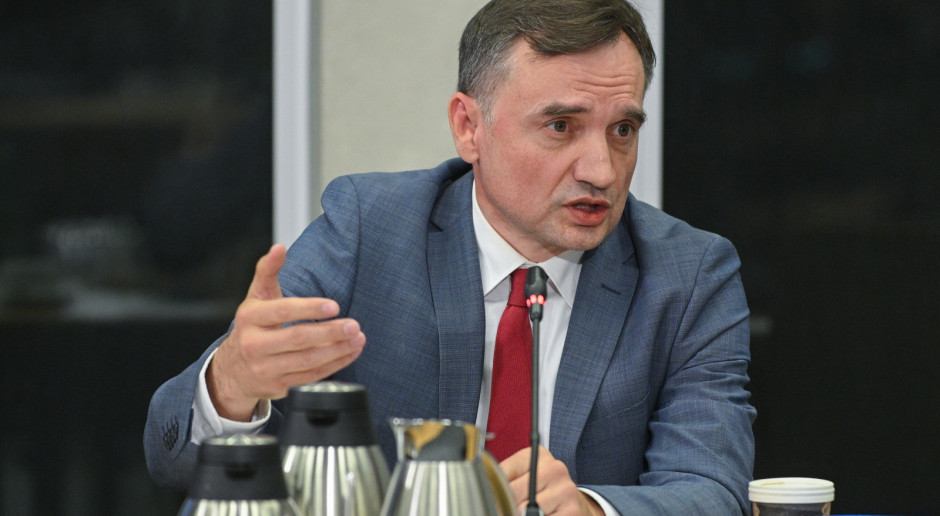
Zbigniew Ziobro Detained: Understanding the Allegations and Context Surrounding His Arrest
- Zbigniew Ziobro, former Justice Minister of Poland, has been arrested amid allegations of misusing Pegasus spyware.
- His detainment is the result of repeated refusals to testify before a parliamentary committee investigating governmental abuses.
- The Pegasus spyware scandal raises serious concerns about privacy, democracy, and accountability in Polish governance.
- Public reactions are divided, with supporters viewing it as politically motivated and critics advocating for accountability.
- The ongoing investigation may clarify whether former officials exceeded their legal authority in surveillance practices.
The Background: Allegations of Surveillance Misuse
Zbigniew Ziobro served as Justice Minister from 2015 until 2023, a period during which significant controversies surrounding the use of surveillance tactics by the government emerged. Specifically, he stands accused of sanctioning the acquisition and deployment of the controversial Pegasus spyware, which reportedly enabled the surveillance of approximately 600 individuals, including opposition politicians and government critics.
The ramifications of these allegations are considerable, suggesting not just potential breaches of privacy but also fundamental attacks on democratic principles in Poland. Allegedly, funds used to purchase the spyware were drawn from state budgets designated for aiding crime victims, raising ethical and legal questions about the appropriateness and legality of such expenditures source.
Timeline of Events Leading to Detainment
This situation did not erupt suddenly; it has evolved from a series of refusals on Ziobro’s part to testify before a parliamentary investigative commission formed under Prime Minister Donald Tusk’s government. This commission aims to ensure accountability for past governmental abuses, particularly in the context of the Pegasus scandal. Since its establishment in February 2024, Ziobro has persistently ignored legal summons from this committee, which has exacerbated concerns regarding his accountability source.
- February 2024: The parliamentary investigative committee is formed to investigate the misuse of Pegasus spyware.
- Late January 2025: The court first orders Ziobro’s apprehension due to his continued refusal to comply with summonses.
- March 2025: Following multiple missed hearings, including one on the day of his arrest, the prosecution requests a court order allowing law enforcement to detain and escort him to the committee source.
Ziobro’s defiance culminated in his detention on a Friday afternoon when police executed a plan to apprehend him after searching his homes without success. His arrest marks a significant moment in Poland’s ongoing struggle to seek accountability for government practices that risk undermining democratic processes.
The Legal Basis for Detention
The legal framework supporting Ziobro’s detention is outlined under Article 287 of the Polish criminal procedure code, which allows for the detention of witnesses who resist appearing before a legal inquiry. This provision stipulates that such individuals can be held for up to 30 days in order to compel their testimony source.
Ziobro’s public statements have largely framed his refusal to testify as a matter of legality. He has claimed that the commission lacks legitimacy based on a ruling from the Constitutional Tribunal. However, this assertion contradicts perspectives held by the current administration, which accuses the prior government (which included Ziobro) of politicizing the Tribunal to escape accountability for its actions source.
Current Context and Developments
Since late January 2025, there have been significant developments in this entirely unfolding narrative, not only surrounding Ziobro but also concerning broader investigative efforts into the misuse of Pegasus surveillance during his tenure. His arrest follows that of Piotr Pogonowski, the former head of Poland’s Internal Security Agency, indicating an expansive inquiry targeting prior abuses of power linked to the spyware allegations source.
Following his detention, the police escorted Ziobro to appear before the investigative committee, where he is expected to answer critical questions regarding the legality, authorization, and extent of Pegasus’s use during his term as Justice Minister source. The implications of this questioning are significant, as it may help clarify whether he exceeded his authority or acted within the legal framework he claims to believe in.
Public Reaction and Political Ramifications
The public and political reactions to Ziobro’s detention have been mixed, with supporters deeming it a politically motivated action, while critics celebrate it as a necessary step towards accountability. Ziobro’s health status has also become a subject of conversation; he has been reported to be recovering from cancer, which he cited as a reason at various times for avoiding testimony. Some media have speculated that his claims might detract from the seriousness of the allegations against him, while others maintain his health should be considered in how the investigations proceed source.
Moving Forward: What Lies Ahead?
As the investigation continues and Zbigniew Ziobro faces accountability for his actions, Poland stands at a critical juncture in its journey towards upholding democratic values and protecting civil liberties. The outcome of this high-profile case could set a precedent for how future allegations of governmental overreach are treated, shaping the course of Polish politics for years to come.
The Pegasus spyware scandal, emblematic of wider issues of surveillance and governmental accountability, will likely remain a contentious topic. With the investigation expected to delve deeper into the implications of such technologies on society, citizens will be closely observing the actions of their government and the judicial system in the coming weeks.
In conclusion, Zbigniew Ziobro’s detention represents not just a personal legal battle, but a significant moment of reckoning for Poland’s political climate. As citizens demand accountability from their leaders, this case serves as a reminder of the vital need for transparency and integrity in governance.
For ongoing updates on this unfolding situation, keep an eye on reputable news sources and channels that prioritize accurate and comprehensive reporting on political matters in Poland.
ADVERTISEMENT