






Russian Fighter Jets Violate Estonian Airspace: Is Russia Trying to Cause Panic in Europe?
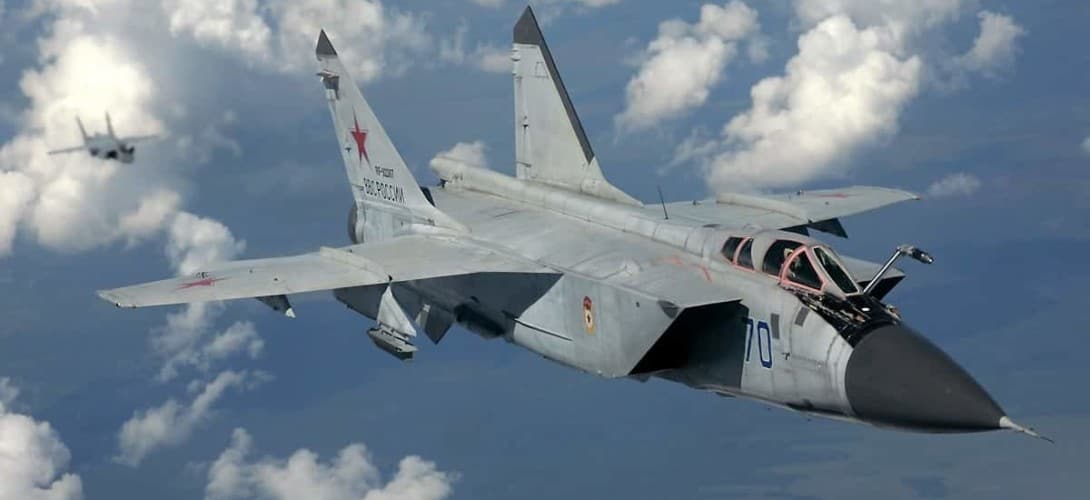
- Russian MiG-31 fighter jets violated Estonian airspace on September 19, 2025.
- The incursion lasted approximately 12 minutes before being intercepted by Italian F-35 jets.
- Estonia has experienced multiple airspace violations in 2025, raising concerns among NATO allies.
- Calls for political and economic pressure on Russia and potential invocation of NATO Article 4 are being discussed.
- Heightened tensions in the region are linked to ongoing provocations from Russia.
The Incident: Context and Immediate Reactions
The incursion was characterized by Estonian officials as “unprecedentedly brazen.” In the backdrop of multiple airspace violations earlier this year, this incident was perceived not only as a breach of territorial integrity but also as a deliberate provocation aimed at testing the resolve of NATO. In 2025 alone, Estonia has faced four prior incursions by Russian aircraft, drawing serious concern from both military and diplomatic circles (Fox News | Sky News | Independent).
Estonia’s Foreign Minister Margus Tsahkna emphasized that action must be taken to counter Russia’s increasing provocations, advocating for swift increases in political and economic pressure on Russia. He hinted at the possibility of invoking NATO Article 4, which allows a member to request alliance-wide consultations when its territorial integrity is at risk (Fox News | Sky News). Although Article 4 does not necessitate direct military intervention, its invocation signals alarm within NATO and could escalate the existing tensions.
Patterns of Provocation
This incident aligns with a broader pattern of aggressive airspace violations by Russian military assets in the region. Just days prior, Poland experienced incursions by Russian drones amidst ongoing attacks on Ukraine, and Romania reported a drone breach last week. Such incidents have triggered alarms regarding Russia’s intentions within NATO boundaries (Fox News | Sky News | Independent).
Estonian officials, along with Western analysts, interpret these airspace violations as deliberate provocations aimed at testing NATO’s resolve and boundaries. The utilization of ballistic-missile-carrying jets alongside the observed duration and proximity of the incursion signal a high level of intent and risk, fueling anxieties about Russian escalation and unpredictability (Fox News | Sky News).
The Importance of NATO’s Response
The NATO air policing forces responded rapidly to this incident, showcasing the alliance’s commitment to defending the airspace of its member states. The immediate interception by Italian F-35 jets reflected a coordinated European defense strategy, a necessary measure given the ongoing provocations from the East (Fox News).
Moreover, Estonia has lodged formal diplomatic protests following the incident, with the Russian chargé d’affaires summoned to express Tallinn’s concerns. This diplomatic avenue reinforces the necessity for communication amidst rising tensions while adhering to established protocols (Independent).
Analyzing Russia’s Strategy
While there may not be direct attribution asserting that the goal behind these provocations is to “cause panic”, the pattern of incidents, their timing, and the messages sent certainly infer an intention to unsettle European nations, intimidate them, and challenge NATO’s resolve. Russian President Vladimir Putin appears focused on imposing his will and testing the limits of Western tolerance rather than engaging in meaningful negotiations (Independent).
The Growing Threat to Regional Security
Estonian and Baltic officials have continuously warned that such provocations threaten regional stability. The rising frequency and assertiveness of these airspace violations mark a concerning trend, often coinciding with significant NATO exercises or elevated regional tensions. The notion of hybrid threats also comes into play, where military actions are accompanied by strategic messaging and potential cyber threats (Stripes | AeroTime).
Estonia’s position at the frontline of NATO’s Eastern flank places it in a unique and precarious situation. The enhancing political and economic pressure must address these challenges collectively to maintain unity within the alliance and deter further Russian misconduct.
Recommendations for NATO and European Nations
The strategic approach to countering these provocations requires a multi-faceted response:
- Strengthen Deterrence: Increased NATO presence in the Baltic states is crucial for enhancing visibility, confidence, and deterrent capabilities against any potential airspace violations.
- Enhance Political Cohesion: It is essential for NATO members to present a united front regarding Russian provocations, ensuring that any breach of territorial integrity receives a collective response.
- Improve Intelligence Sharing: Enhanced intelligence sharing between member states can provide a clearer picture of evolving threats, allowing for more timely and effective responses to incidents.
- Continued Diplomatic Engagement: While robust military responses are necessary, diplomacy should not be overlooked. Continued dialogues and formal protests can help de-escalate tensions and maintain open communication lines.
- Public Awareness Campaign: Given the potential for panic among civilian populations, promoting public awareness about NATO’s readiness to respond can reinforce public confidence in national security measures.
Conclusion: Staying Vigilant in a Volatile Landscape
The Russian incursion into Estonian airspace on September 19, 2025, underscores the growing challenges facing NATO and European stability. As Russia engages in increasingly aggressive military posturing, the potential for panic among European nations looms large. This incident serves as a critical reminder of the need for vigilance and rapid, coordinated responses to threats in a landscape fraught with uncertainty. The stakes are high, and the call for a robust, united response from NATO and European nations has never been more urgent.
As the situation develops, we can expect updates from NATO and Baltic officials regarding ongoing diplomatic and military strategies to counter these provocations. In a world where boundaries are being tested, the alliance’s unity and strength will be paramount in maintaining regional peace and stability.
For those looking to stay informed about these evolving situations and their implications on the security landscape in Europe, follow Fox News, Sky News, and Independent for the latest developments and analysis.