



ADVERTISEMENT
Unraveling the Epstein Files: The Impact on Polish Politics and Society
- Poland’s government forms a specialized team to investigate connections to the Epstein files.
- Concerns raised about human trafficking and national security implications.
- Investigation scope includes links to Russian intelligence and potential child exploitation.
- No explicit ties to high-profile Polish politicians have been confirmed yet.
- Poland seeks classified documents from the U.S. to further the investigation.
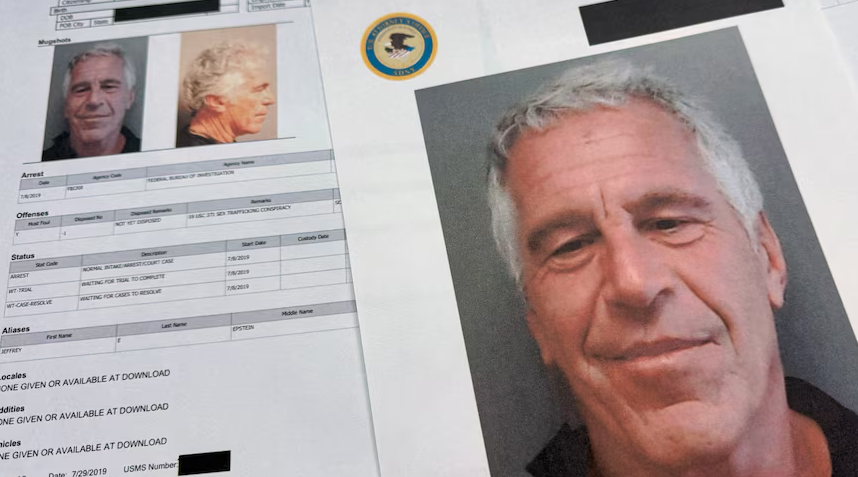
The recent release of the Epstein files has sent ripples through international news, drawing particular scrutiny in countries like Poland. As the government leads an initiative to explore the implications of these documents for the nation, understanding how they relate to Polish politics and society becomes increasingly vital. The files, released by the U.S. Department of Justice, include over 3 million pages of documents, videos, and photographs, and are set against the backdrop of a heightened focus on human trafficking, child exploitation, and national security concerns.
The Polish Government’s Response
On February 4, 2026, Poland’s Prime Minister Donald Tusk announced the formation of a specialized investigative team. This team is tasked with sifting through the newly published Epstein files to identify any potential Polish connections, which may include victims, trafficking of Polish women or girls, and possible links to threats against national security posed by foreign intelligence, particularly Russian operatives source.
According to CBS News, these documents have purportedly identified individuals in Krakow who had informed Epstein about the potential availability of “Polish women or girls.” Tusk has characterized such references as “Polish threads” in the wider Epstein scandal, spotlighting concerns not just for individual victims but for the integrity of Polish society. The Ukrainian and Polish governments have remained vigilant about the implications surrounding women and children, especially in relation to human trafficking.
The investigative team was confirmed by Justice Minister Waldemar Żurek on February 5, 2026, who noted that the majority of its members had already been appointed, though their identities have yet to be disclosed. The team comprises prosecutors, police officers, and representatives from special services source. Their primary aim will involve investigating cases related to child exploitation, recruitment activities concerning Polish women and girls, and any ties to Russian intelligence—a critical concern given Epstein’s notable connections, including a Moscow visa application referencing a visit to MOO Vympel, a group linked to former KGB military units.
The Investigation’s Scope and Parameters
The Polish inquiry into the Epstein files is not merely a domestic affair but reflects a broader international concern over human trafficking and espionage. Tusk has raised alarms regarding the national security risks posed by Epstein’s network, suggesting that it may have been utilized by Russian services for compromising both the nation and its democratic processes source. The implications of such espionage activities could have far-reaching effects on political stability within Poland.
The government of Poland plans to approach the United States for classified documents, underscoring the seriousness with which it is taking the matter. Tusk’s administration has not ruled out the potential for an international inquiry, taking cues from similar investigations launched in neighboring countries like Latvia and Lithuania source.
Key Confirmed References to Poland in the Epstein Files
While the files unveil troubling references connected to Poland, it is critical to note that they do not present explicit ties to high-profile Polish politicians, nor do they confirm specific abuse cases involving Polish nationals or any direct involvement of Polish officials. As such, while serious inquiries are warranted based on the evidence available, all findings remain within the analytical phase, and no criminal actions have yet been substantiated. This means that while the government is proactive in addressing potential issues, it is essential to wait for more concrete evidence before drawing definitive conclusions.
The lack of confirmed links to prominent political figures has helped temper public speculation for the time being, although it has not assuaged concern surrounding the safety and well-being of Polish citizens, particularly women and children exposed to vulnerabilities. Nevertheless, the references to Polish women and girls mentioned in the files represent a concerning intersection of organized crime and human trafficking that cannot be overlooked.
A Broader Context: Human Trafficking and Child Exploitation
The subject of human trafficking is one that Poland has confronted in recent years, notably following a series of scandals involving the exploitation of vulnerable groups. The historical and sociopolitical landscape of Poland makes it susceptible to human trafficking, exacerbated by the nation’s geographic location between Western Europe and Eastern Europe, where organized trafficking networks have operated with impunity.
Tusk’s government is highly aware of Poland’s checkered history concerning child abuse scandals. Thus, the initiative to investigate links to the Epstein files is not merely about addressing the past but also about protecting future generations from exploitation. The Polish public has a vested interest in ensuring that their leaders are vigilant and proactive in the face of such threats.
The country’s historical contexts, social frameworks, and ongoing challenges in safeguarding individuals against trafficking underscore the importance of these investigative efforts. By addressing these issues head-on, Poland aims to regain public trust and emphasize its commitment to child protection and human rights.
Conclusion: Implications for Polish Politics
As the investigation into the Epstein files continues, it is evident that Poland stands at a crossroads in terms of policy and public safety. The ramifications of Epstein’s actions could infiltrate various facets of Polish life, from political integrity to social welfare policies.
It remains incumbent upon the Polish government to navigate these waters carefully, balancing thorough investigation and public communication. By doing so, it has the potential to highlight its dedication to not only combatting trafficking and exploitation but simultaneously enhancing national security.
In summary, while the Epstein files have unveiled unsettling truths regarding the exploitation of Polish women and girls, the lack of explicit connections to political figures serves as a reminder of the complex and often convoluted nature of such investigations. With this in mind, Poland must proceed cautiously, ensuring that each step taken in this investigative journey fortifies democracy, protects vulnerable populations, and enhances national security in an increasingly complex global landscape.
In the coming weeks and months, we will monitor the developments surrounding this investigation, keeping you updated with the latest findings and implications for both Poland and its citizens. For now, the focus remains on rectification and accountability, as Poland steps into the light amid this global scandal.